TABLE OF
CONTENTS
|
SECTION |
TITLE |
|
1 |
Introduction |
|
2 |
General
Rules |
|
3 |
Obstacle
Rules |
|
4 |
How To
Organize a Trail Trials |
|
5 |
A Word
From The Management |
Revised: May
2003
Copyright © 1991-2003
Equestrian Trail, Inc.
Section 1
INTRODUCTION

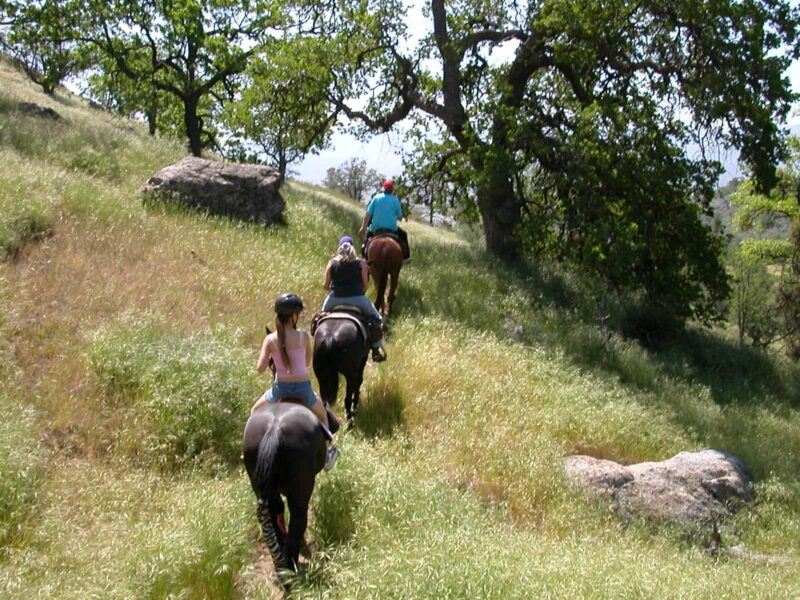
Trail
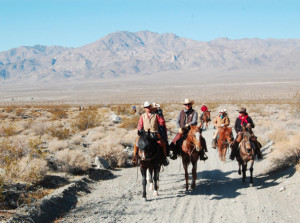
Trials have become a popular event in many areas. They are not new,
just getting more well known.
They
consist of a trail ride, usually averaging between two and three
hours, with trail obstacles along the way. Bear in mind that the
later you start your competition, the longer your ride can be due to
possible waits at some obstacles. Obstacles are natural, or simulate
naturally occurring conditions (including urban) for the horse and
rider to negotiate. However, emphasis should be placed on having
natural obstacles. There are usually 8-12 obstacles to test the
rider's knowledge and the horse's capabilities.
Trail
trials are meant to be fun and enjoyable for everyone. As long as
safety and common sense are kept in mind, everyone will have a good
time.
It is
important to remember that the people doing the judging at
sanctioned trail trial events, are volunteers following this
rule book and are doing the best they can. They are NOT paid
professionals. It must be understood that these rules are
guidelines subject to various interpretations by (sometimes)
inexperienced judges.
This rule
book was started in 1987 by members of Corrals 12, 22, 35, 54 and 63
(the original Trail Trials Committee) with the thought of
standardizing the rules for all contestants and to give guidelines
for those wanting to put on a trail trial event. A special "Thank
You" goes to those members who gave freely of their time and
knowledge to help bring this about.
Section 2
GENERAL RULES

-
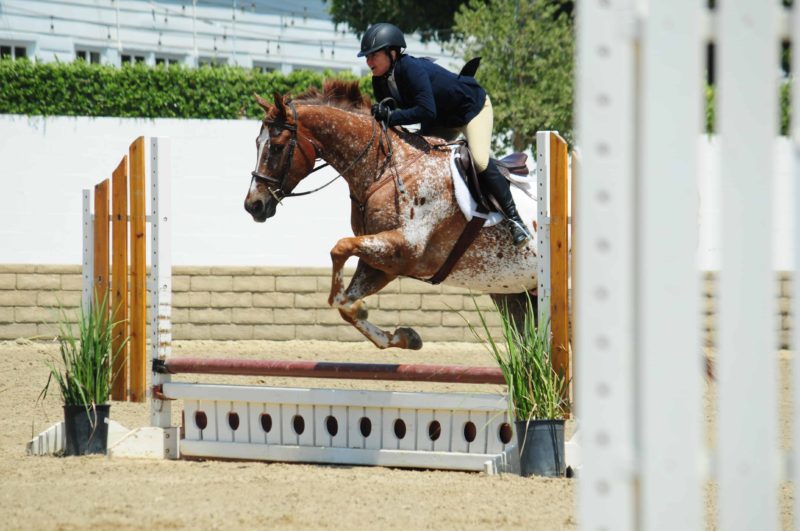
HORSE SHOW RULES, AS WELL AS HORSE SHOW OBSTACLES, ARE NOT TO BE
USED IN TRAIL TRIALS. Examples: Boxes, Back Through L's,
Side-pass (straddling) Over Logs, etc.
- Safety
and common sense are the number one priorities for all E.T.I.
sanctioned Trail Trials.
- Any
attire normally worn for trail riding is accepted.
-
Enclosed footwear is required (no sandals or bare feet),
boots are recommended.
- Any
type of tack may be used - a saddle and bridle/bosal/hackamore are
a must.
- It is
the responsibility of the rider to have the judges attention
before starting on any obstacle.
- Voice
cues are permitted. Aids, such as crops and spurs are permitted,
but excessive use may cause penalties.
- The
rider should always check the cinch before doing an obstacle
(Uphill, Downhill, Mount, or Drag) that could cause the saddle to
slip. It is not required at other obstacles. It may be checked on
or off the horse. It is the responsibility of the rider to be sure
the judge has visually (not verbally) seen the check.
-
Emphasis should be placed on the methods the rider uses in
obtaining a good smooth performance.
- No
coaching will be allowed at any obstacle. A penalty will be
assessed to those observed violating this rule.
- At the
judges discretion, a rider may be dismissed from an obstacle for
excessive time or safety reasons.
- Riders
should maintain control of their horses with the reins or
lead-rope during the entire event, except when the animal is tied
or hobbled.
- No
foals at side or dogs are allowed on the trail, and no riding
double during competition.
-
Stallions are not recommended, but may be approved by ride
management. No one under 18 may ride a stallion.
- A time
limit and/or maximum number of refusals are highly advisable at
each obstacle with NO TIME TAKEN FOR TRAINING.
- After
completing an obstacle, depending on the situation, riders may ask
the judge about their score. It is recommended that the judge
reply at the end of the event if there is anyone waiting to be
judged at their obstacle.
-
IT IS NOT ALLOWED FOR A COMPETING HORSE AND/OR RIDER TO
PARTICIPATE IN PRE-RIDING, MARKING, OR TO FOLLOW A MARKED TRAIL
ROUTE BEFORE THE DAY AND TIME OF COMPETITION.
We
recommend that when putting on a trail trial using the information
in this book and registering with the Trail Trial Committee, that
you state on all advertising and premiums that your trail trials is
an E.T.I. Sanctioned event.
Letters of
comment to the E.T.I. Trail Trials Committee are always encouraged
and will be answered.
Any
complaint or protest regarding an E.T.I sanctioned trail trials,
needs to be in writing (a $15.00 fee is to accompany a protest,
refundable if the protest is upheld) and mailed within 10 days of
the event in question to the E.T.I. Trail Trials Committee, 13741
Foothill Blvd., Suite 100, Sylmar CA 91342. The Corral or
Organization involved agrees to adjust placements, if need be,
pending the outcome of the protest decision by the Trail Trials
Committee. A decision will be made within 30 day after receiving the
protest.
Section 3
OBSTACLE RULES
The
following are the most common obstacles used. However, they are not
the only ones to be considered when you are planning a trail trials.
Let your imagination go. Look for things that could be used when you
go riding, different situations are always coming up. In the
following rules there should be one that would apply, if not, think
of safety and common sense first for your new rules. You can also
contact a member of the Trail Trials Committee for assistance. Avoid
any situation where the horse and/or rider could get hurt. Remember,
the more challenging your course, the more interesting and fun it is
for your competitors! Just keep safety and common sense are your
number one priorities for all riders - beginner and experienced
alike.
REMEMBER - Horse Show Rules, as well as Horse Show
Obstacles, are not to be used in Trail Trials. Examples, Boxes, Back
Through L's, Side-pass (straddling) Over Logs, etc.
ALSO, not all obstacles require a cinch check; however, a
cinch check may be required if the obstacle, or terrain in the
obstacle, is likely to cause the saddle to move (Uphill, Downhill,
Mount, Log Drag).
Common
Obstacles

Click here for pictures of some real obstacles
-
Backup - horse should back willingly and in control with the
rider being observant by checking all directions prior to and
during backing.
-
Bridge - horse should walk over calmly.
-
Downhill - check cinch; saddle should stay in place; horse and
rider to remain balanced; rider's legs should not contact horse's
legs; horse should be on light contact or less; horse should walk
calmly in a straight manner, except when necessary to follow
trail; however, on a wide trail a traverse is okay; forward
position or Cavalry style will be penalized.
- Gate
- safe and smooth while mounted; contact with gate should be
maintained; judge will state if gate can be opened dismounted
without penalty (as for a ranchers gate of wire & sticks); horse
to remain calm.
- Hoof
Check - horse to stand quietly; far side not to be checked
from near side with hoof tool; rider to have a hoof tool; control
of horse to be maintained.
- Lead
- horse to follow willingly, not crowd or lag; rider not to coil
rope around hand; if halter is in place on animals head, it should
be used as opposed to reins.
- Log
Drag - check cinch; horse's hindquarters should not face log
before mounting (judge may hand rider rope to save time); control
of horse to be maintained; rope not to be wrapped around hand or
coiled; rider should not dally (wrap rope around horn) more than
one full turn unless mounted (dallying is optional) - NO TYING
TO SADDLE; English riders may use hand pull; horse to pull
evenly and quietly; unless specified, the direction of a turn
shall not be penalized so long as the rope does not contact the
horse below the hocks.
For safety sake, a cotton rope should be used and should not be
overly long. The "log" should not be excessively large or heavy.
The judge should warn each competitor that if things start to get
out of hand, the competitor should drop the rope.
-
Mounting - check cinch, stirrup does not need to be put over
saddle; horse to stand quietly; rider to mount smoothly with reins
in hand without unbalancing horse; style of mount not to be
considered; rider should not be penalized for using available
assistance to mount, i.e. rock, log, etc.
-
Moving Obstacles (i.e. bike, backpacker, etc. - horse should
walk quietly by; a horses look of interest is okay. Think safety!
NO POP-UP, SPOOKY, OBSTACLES!
-
Stationary Obstacles (i.e. slicker, staple gun, map, etc. -
horse to stand still and calm; control of horse should be
maintained with reins in hand.
- Step
Over - horse to walk over cleanly; relative size of horse and
obstacle should be considered; controlled hop with small animal
may be okay.
- Stop
- horse should stop on command and stand quietly for a specified
time.
- Tack
Check - horse to stand quietly; rider should have a safe way
of securing horse (halter and leadline or hobbles); rider should
have some type of hoof tool; equipment should be in safe repair;
anything beyond this should not be considered.
- Tie
- tie should be as high as reasonably possible for the rider; keep
safety in mind for the horse; any type of quick release is
allowed.
-
Turnaround - horse to turn willingly and in control; always
face downhill side to reverse.
-
Uphill - check cinch; saddle should stay in place; rider
should be forward and in balance with horse; holding mane is
rider's preference; horse should be on a light contact or less;
rider's legs should not contact horse's legs; horse should walk
calmly; stopping to let horse blow is at rider discretion.
-
Water Crossing - horse should walk through water calmly; rider
may allow horse to drink - to be without penalty it must be rider
indicated.
Section 4
HOW TO ORGANIZE A TRAIL TRIALS

To put on
an E.T.I. Sanctioned Trail Trials, first set a date with the trail
trials Scheduling Secretary. Pick a date not conflicting with
any other trail trials or E.T.I. function. The number can be found
in the first few pages of the E.T.I. Magazine or in the Directory
section of the web site.
Get enough
volunteers to make it easy to organize.
Find a
good location for a trail route with enough room for parking.
Ride your
course to find the best place for obstacles you have previously
thought of and to find other obstacles along the trail. Ride it
several times to see if you want to make any changes, need to do any
trail work and to see exactly where you want to put up any signs. We
recommend that you have as wide a variety of obstacles as possible.
Have obstacles which are natural, or simulate naturally occurring
conditions (including urban) for the horse and rider to negotiate
along the way. However, emphasis should be placed on having natural
obstacles.
Take into
consideration the size of all equines, small ponies to 17 hand
animals, when planning obstacles and routes.
Ribbons
are given usually to 1st through 10th place in each division, though
some go to 15th. Awards are usually given in each division only to
1st place, such as buckles, gift certificates, cash awards, items
for horse or rider, etc. Small plaques are also popular.
Do you
want to give awards for the worst score, oldest and/or youngest
horse and/or rider, teams, Corral, farthest distance, etc.?
For
fundraising, are you going to have any type of refreshments, a
photographer?
You may
want to have a poker ride in conjunction with your trail trials for
contestants and anyone else just wanting to ride the trail and
non-riders who want to try their luck.
To have a
sanctioned event, you must have Novice and Open divisions. A Junior
division is highly recommended and a Schooling class is optional.
Novice - (REQUIRED) for the beginning rider and/or horse to
trail trials. Any horse and rider team finishing 5th or better in
any three E.T.I. Sanctioned trail trials, MUST move up to the Open
division.
Open
- (REQUIRED) for the more experienced teams. Any team may enter
this division, experienced or not, at any time. However, once in
this division, teams must remain there until a new partner (horse
or rider) has been acquired. Except for a team that has qualified
in the Novice division for the Invitational and has competed, but
not qualified in the Open division of that year may still compete
in the Novice division of that year's Invitational. A team that
qualifies in both divisions, MUST compete in Open at the
Invitational.
Junior - (RECOMMENDED) to encourage family and youth
participation. Junior riders (those age 14 and under as of January
1 before the Trail Trial in question) may qualify for the Annual
Invitational in the Novice Division if a Junior Division is not
offered. However, Juniors may ride in other divisions at their own
discretion, except at the Invitational where they may enter only
the division in which they have qualified during the year.
Junior riders
MUST
be accompanied by a chaperone of 15 or more years of age.
NOTE: If a Junior chooses to compete in the
Novice or Open Division when a Junior Division is offered, all
such placing will later apply to determine their adult division in
the first year the are no longer eligible to compete as a Junior.
Schooling - (OPTIONAL) has been tried with success to help
introduce riders to trail trials. Judges must be cautioned not to
explain anything to someone in this division if judged contestants
are waiting to be judged. We suggest that schooling riders be
asked to wait at each obstacle until judged riders are not
present. This will enable the judge to freely critique this rider.
Most
groups give score cards to the riders for judges to marks down
obstacle scores (3X5 cards with riders number, name and number of
obstacles). This makes tabulating faster than waiting for all the
judges to get back to tally scores from their sheets alone.
For the
sake of consistency to competitors and to make it easier for trail
trial committees and judges, score sheets are provided for an array
of obstacles. These are not optional and must be used.
Judging criteria will be kept more consistent and some of the
difficulty for new committees will be eliminated. All competitors
start with a perfect score of -0- (zero). Points are added when
competitors do not meet the judges criteria on their judge sheets.
Most criteria will have a range of points for the judge to go by.
The maximum plus points at any obstacle will be 10 (ten) and the
average obstacles are also 10 (ten). The amount of obstacles will be
at your discretion, just remember the more obstacles you use, the
more volunteers you will need.
Once you
have decided on your obstacles, go through the judging sheets for
what you need. If you have an obstacle and find there is no judging
sheet for it, there is a list of criteria with judging points that
should help you with it. However, many times one of the existing
sheets will have all the criteria you need and only needs a new
obstacle name. The most important thing to keep in mind for your
trail ride and all obstacles, is SAFETY!
It's a
good idea to have your general rules posted for all riders to read,
such as no smoking on trail; groups of 2 or more let individuals or
smaller groups pass; follow pink ribbons; bring problems to the
management; best score is -0-, etc.
If numbers
are used for rider identification, they can be purchased from tack
stores (ask for horse show numbers). If grease markers are used to
write numbers on the horses hip, cocoa butter hand lotion has been
recommended as a good way to remove it.
It's very
helpful for the contestants and judges to have signs posted where to
stop and state what the obstacle number it is.
Don't
short yourself on judges. Have a few people set aside as
replacements. Don't hesitate to have a second person at any obstacle
if it would be of any help in keeping things running smoothly.
Advertise
in Corral newsletters, E.T.I magazine, the classified horse calendar
section of newspapers, tack and feed stores, etc.
Mark your
trail very clearly - you don't want to lose any contestants or to
have confusion. Be extra attentive at corners and intersections,
also too much space between ribbons will have contestants wondering
if they missed a turn. Normal flagging is done on the right with
clusters of three or more for turns.
Attaching
your flagging material (surveyors tape) to clothespins makes it easy
to mark and unmark your trail. However, it also makes it easier for
non-participants to remove them.
Flour is a
good marking tool for arrows at corners or to line off a trail that
is not to be taken.
Waiting
riders should be separated from the obstacles by at least 50 feet,
and if possible, out of sight of the obstacle. After completing the
obstacle, have them continue on so they cannot mingle with the
contestants who have not yet completed the obstacle.
Provide
your judges with enough judging sheets to accommodate the maximum
expected riders. Encourage judges to write comments when needed to
help management make any needed decisions later in the day.
Instructions for judges should be written out as to what they should
do, say to the contestant, look for, and how to score so the judge
can give identical instructions to each contestant. You can also
have simple instructions written on a sign at each obstacle for the
contestant to read and follow.
Remember
that your judges may be out there all alone and are are not always
well seasoned trail riders, just willing volunteers. It's highly
recommended to also have a judges meeting with one or more riders to
show them what they are looking for shortly before the event.
Encourage
judges to judge hard using the same criteria on each rider from
first to last. This will eliminate many ties and too many perfect
scores. In the event of ties, we recommend using the best scores of
pre-selected obstacles that will be posted after all contestants are
on the trail. You would pick at random the trail trial obstacles
being ridden (papers with obstacle numbers picked from a hat).
It is
suggested that ground tying not be used as an obstacle or for
a tie breaker, because we advocate complete control of your horse
and this does not display that.
Judges
and/or obstacles can not be changed or moved once the first rider
has completed that obstacle (including, but not limited to:
umbrellas, coolers, chairs and drink containers that are in or near
enough to be part of the obstacle).
Instruct
the judges to be aware and not penalize the natural gait of the
different breeds nor schools of riding styles (i.e. western,
English, saddle-seat, etc.).
You may
want to have some large score cards set up at the finish so the
contestants can see how they are doing after they have completed the
event and won't have to keep asking the scorekeepers.
If you
need any information or have questions, contact the trail trials
chairman. Committee members are available to meet with and assist
any group putting on a trail trials.
Section 5
A WORD FROM THE MANAGEMENT

You may
wish to post a notice for competitors to read, a word of
encouragement and a few words to head off some problems on the
trail. This is purely optional. The following is part of a notice
Corral 22 posted for all their contestants to read:
"Some
of you are new riders and others are seasoned riders on
horses that have a lot of trail miles. The course has been
designed to try and give you an enjoyable trail ride as well
as testing you and your horse on occurrences that could come
up on a trail."
"If
some obstacles seem a little too difficult or ridiculous to
a few of you, don't take it too seriously - just do the best
you can. There are a few horses and riders that will eat up
the course easily and hopefully the ride will present a
challenge to them."
"Our
judges are all volunteering their time. Please be courteous
to them, as they are trying to be honest and fair in their
judgments. You have a right to know why you were scored as
you were, so you and your horse can improve. But, please
consult the judges or management after the ride so riders
can keep moving. If you have any complaints, bring them to
the ride management - not the judge. Complaints or questions
of judgment given to any of the judges during the ride will
be noted and may affect your score."
|
|